Aneroid Capsule, Levers, and Gears
Inside the case, evacuated capsules flex with pressure. Linkages magnify tiny movements onto a dial where your eyes read stories. Temperature compensation plates and careful gearing stabilize response. Tap lightly to overcome friction before noting the value. Remember, resolution beats raw precision in the field: seeing direction and speed of change matters most. Combined with wind feel on your cheeks, this mechanical whisper becomes a confident voice that cautions or greenlights your next objective.
Calibrating with Known Elevation
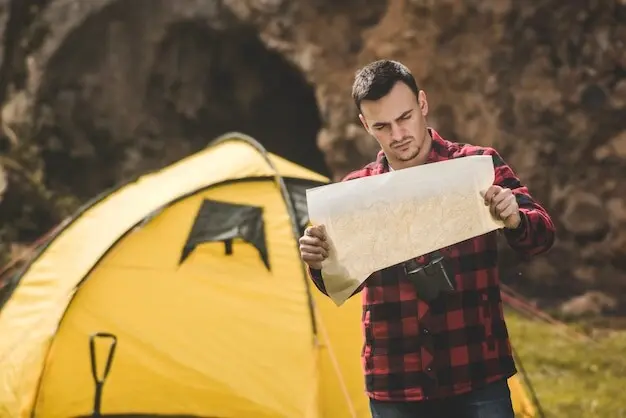
An altimeter is a barometer dressed in meters or feet. Set it at a signposted pass, hut logbook value, or reliable map elevation. If you descend yet altitude reads steady, pressure must be rising. If altitude climbs while you rest, a low is marching closer. Keep notes linking needle motion to cloud evolution, and you will anticipate squalls before they find you exposed. Calibration is the handshake that makes later interpretations credible, calm, and actionable.
Fast Falls, Slow Rises, and Warnings
Rapid drops often precede fronts, convective bursts, or tightening gradients bringing wind. Slow rises suggest clearing and strengthening visibility, though cold, stable air can trap fog. Compare trends against sky language: lenticular stacks scream strong flow aloft, while thickening altostratus implies widespread lift. When the needle races downward over lunch, cancel the summit for safer ridges or sheltered gullies. Let data serve decisions, not pride, and celebrate the wisdom of returning with energy to spare.