Carry Less, Climb More: The Joy of Featherlight Alpine Days

Today we dive into ultralight, minimalist packing lists for multi-day alpine treks, celebrating the liberating balance between safety, comfort, and speed above the tree line. Learn how to trim every gram without losing warmth, nutrition, or confidence when storms build, passes stretch, and huts twinkle far below. Expect practical checklists, nuanced tradeoffs, and small rituals that keep spirits high when the wind wakes early. Share your own hard-won lessons, subscribe for new field-tested insights, and help refine a smarter way to roam the high country.

Define Base Weight, Not Your Limits

Start by separating base weight from consumables so decisions stay honest. Record shelter, sleep system, clothing, and essentials on a single sheet, then ask of each: would I carry this up a surprise fifth pass? Document real trail use, not imagined emergencies, and right-size redundancies. Your limits expand when you audit truthfully, celebrate successful omissions, and keep a small experimental column for trial items. Share your numbers with a partner for accountability, and invite questions that challenge assumptions kindly and constructively.

The Big Three That Shrink Everything Else

Shelter, sleep, and pack set the tone for everything that follows. A lighter pack begs fewer reinforcements, a warmer sleep system demands fewer spare clothes, and a smart shelter manages wind, condensation, and sanity better than heavy, complicated alternatives. Balance forecasted temperatures, hut access, and campsite elevation to right-size insulation. Try your setup in a windy backyard night first. Keep a notes section listing what stayed dry, what felt excessive, and what made you smile the next morning when frost glazed your cup.

Layers That Laugh at Weather

Alpine weather compresses seasons into a single day: frosty predawn, blinding noon glare, stinging graupel by mid-afternoon, and calm, starry hush by dinner. Your clothing system should adapt by breathability, not bulk, and by strategic venting, not guesswork. Minimalist lists privilege a wicking base, agile wind layer, compact insulation, and honest rain protection that actually seals. Test zippers, cuffs, and hoods in a shower, not your living room. Document how quickly you chill at snacks, then tailor warmth to your body, not averaged advice.
Anchor with a synthetic or merino base that dries during the next climb. Add a featherweight wind layer that lives in your hip pocket, because minutes saved on transitions equal miles banked later. Choose insulation that shines while moving slowly, not only when fully stopped. Rain protection should handle wind-driven mist on ridge crests. Gloves and beanie earn their place every dawn, even in July. Keep colors visible for safety. Record the pieces you actually used each day, refining toward a system that effortlessly breathes competence.
Lightning, sudden cold, and horizontal rain punish hesitation. A reliable shell, tuned hood, and sealed seams matter more than ultralight bravado. Carry a compact emergency layer or bivy suitable for waiting out the worst, particularly when huts are distant or bookings uncertain. Dry bags organize critical warmth. Accept that meaningful safety carries small weight. Practice donning layers fast with numb fingers, and review local forecasts before committing to exposed traverses. Share storm stories with the community to normalize cautious turnarounds, smart bailouts, and humble, proud decisions.
High-elevation sunlight burns quickly, even on breezy, cool days. A brimmed cap, high-SPF sunscreen, lip balm, and light gloves prevent cumulative misery. Early summer snowfields reflect fiercely; sunglasses with side coverage and traction awareness help keep strides confident. A thin buff blocks grit on scree descents and warms lungs in cold wind. Keep a tiny lotion decant to soothe after abrasive rock scrambles. Minimalism includes skin health because comfort compounds momentum. Invite readers to share lightweight protection tricks that made long ridge walks unexpectedly joyful.

Calorie-Dense, Pack-Friendly Meals

Aim for foods that taste good late on day three: nut butters, tortillas, couscous, instant mashed potatoes, dehydrated vegetables, and chocolate that tolerates a warm pack. Mix salty and sweet to satisfy shifting cravings. Keep bite-sized snacks visible for steep switchbacks, and plan a meaningful summit treat. Minimize garbage by rebagging portions at home. Add electrolytes on hot south-facing traverses. Note what you actually finished and what stayed untouched. Share your shop list template with the community and borrow their best swaps for regional availability.

To Cook or Cold-Soak?

A pocket stove brings morning steam, morale, and flexible dinners, while cold-soak keeps weight, cost, and complexity low. Test both before departure and consider hut dining schedules, fuel regulations, and altitude’s effect on boil times. A small, lidded cup handles noodles, oats, and soups elegantly. If skipping heat, choose meals that genuinely satisfy without warmth. Whichever route, keep cleanup trivial. Write down how often you actually cooked and whether it justified grams carried. Invite readers to vote on their preferred balance of ritual and ruthless efficiency.

Hydration, Electrolytes, and Morning Warmth

Alpine water is often frequent but sometimes fleeting; capacity should match dry stretches and campsites above streams. Filter or treat reliably, even in crystalline tarns. Carry a small insulated sleeve or cozy to protect a warm drink on cold starts. Pack electrolytes for late-afternoon slogs and cramp prevention. Mark likely refill points on your map, then confirm on the ground. Log how much you actually drank per temperature band and adjust capacity. Share your favorite low-weight mug and spice tricks that turn bleak dawns into grinning departures.

Shelter, Sleep, and Nightly Recovery

How you rest determines how you climb tomorrow. Whether you plan hut bunks or quiet terraces of alpine grass, recovery thrives on targeted warmth, dry layers, and rituals that fold the day gently away. Minimalist packing celebrates a calm evening: a quick shelter pitch if camping, dry socks, a short journal line, and gratitude for sharp peaks silhouetted against rose light. Match your bag or quilt to realistic lows, not wishful thinking. Use your pack as a pillow with a soft liner. Protect sleep fiercely; everything brightens.

01

Hut-to-Hut Simplicity

When following iconic routes between huts, leverage provided blankets and meals to cut significant weight. Carry a clean, light liner for hygiene, earplugs for communal snoring, and a compact headlamp that won’t blind neighbors. Arrive early to secure calm corners and charge devices courteously. Confirm payment methods and boot-room norms, then savor the social richness without sacrificing early starts. Record what you skipped because huts supplied it, and what you still missed at night. Offer your most surprising hut comfort hack to help new visitors settle faster.

02

Ultralight Camps Above the Larches

For solitude and starfields, a minimalist shelter thrives when pitched with intent: orient to wind, avoid cold-air basins, and anchor on firm ground without scarring fragile meadows. Your pad’s R-value should match elevation, breeze, and shoulder-season chills. A quilt pairs with a hooded layer to save weight. Stow rain gear within reach for midnight squalls. Practice teardown in predawn quiet. Track condensation patterns and venting solutions. Share campsite selection insights that balanced leave-no-trace ethics, restorative sleep, and that breathtaking sunrise you still think about on city trains.

03

Repair, Warmth, and Restorative Rituals

A thumb-sized repair kit rescues pads, shelters, and zippers when the night turns inconvenient. Pack a few strips of tape, a needle, and tenacious adhesive. For warmth, hot water in a sturdy bottle slips into the quilt footbox wonderfully. A tiny stretch routine eases calves, while a brief journal note preserves learning. Keep electronics corralled to avoid frantic headlamp searches. Minimal tools, maximal peace. Ask readers to share the smallest item that delivered outsized comfort, so our collective lists grow kinder and even more effective.

Feet First: Footwear and Trail Care
Shoes That Glide, Not Fight

Choose trail runners or light hikers that flex naturally on uneven rock, with grip suited to wet roots and hardpack. Prioritize fit and heel lock over marketing promises. Test with your full pack weight on stairs and angled curbs. Break them in across mixed surfaces. Pair with thin, reliable insoles if arches complain. Rain happens; accept dampness with quick-dry uppers rather than battling heavy, slow-drying leather. Log daily comfort and hotspots so your next pair comes chosen by data, not impulse. Share your breakthrough model combinations generously.

Socks, Gaiters, and Happy Skin

Carry two to three pairs of merino or synthetic socks, rotating to keep one pair always dry for sleep. Short, breathable gaiters keep grit out without trapping heat. Smooth wrinkles before stepping off after breaks. A dab of lubricant on known rub zones pays massive dividends. Sun and snow reflect onto ankles; protect them thoughtfully. Wash socks in evening streams and clip them to your pack to dry by morning sun. Note what worked through rain and sweat. Ask readers about the most durable ultralight socks they trust repeatedly.

The Tiny Kit That Saves Big Days

A minimalist foot-care kit weighs almost nothing yet pushes finish lines further. Include alcohol wipes, moleskin or hydrocolloid patches, a sewing needle, and a small vial of tincture of benzoin. Pre-tape predictably tender spots before long descents. Air feet at lunch. Swap socks more often than you imagine necessary. Store patches where you can reach them without unpacking everything. Debrief nightly about any hot tingle, then fix it, not tomorrow. Encourage the community to share clever hacks that turned near-blisters into forgettable footnotes instead of trip-ending sagas.

Navigation, Safety, and Power

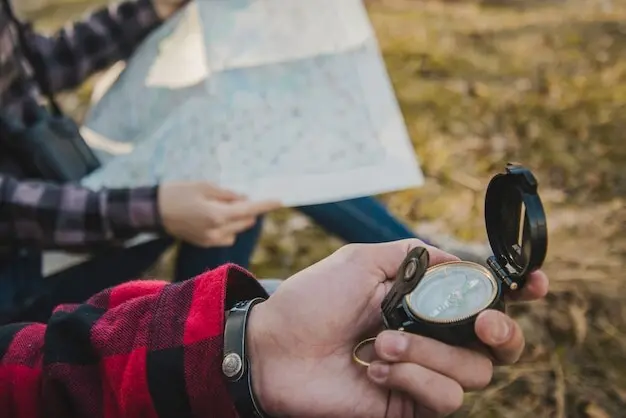
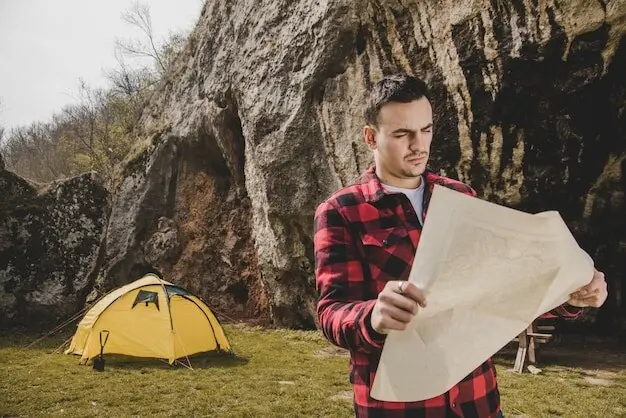
Minimalist packing never compromises on knowing where you are, how to call for help, and how to see the trail when darkness lingers. A slim power bank, disciplined phone settings, and one trustworthy headlamp keep you functional through surprise delays. Paper maps still matter when batteries fade. A whistle weighs less than a granola bar yet speaks louder in wind. Build decision points into your plan, not into exhaustion. Gather local weather sources, hut guardian advice, and snow reports. Ask readers for their smartest ultralight safety swaps that preserved margin.
Laxidavonexomexolumavelto
Privacy Overview

This website uses cookies so that we can provide you with the best user experience possible. Cookie information is stored in your browser and performs functions such as recognising you when you return to our website and helping our team to understand which sections of the website you find most interesting and useful.