Ink, Breath, and Granite
Quiet Miles, Quick Lines

Packing Light, Not Empty
Rituals at the Trailhead
Micro-pauses on the Ascent
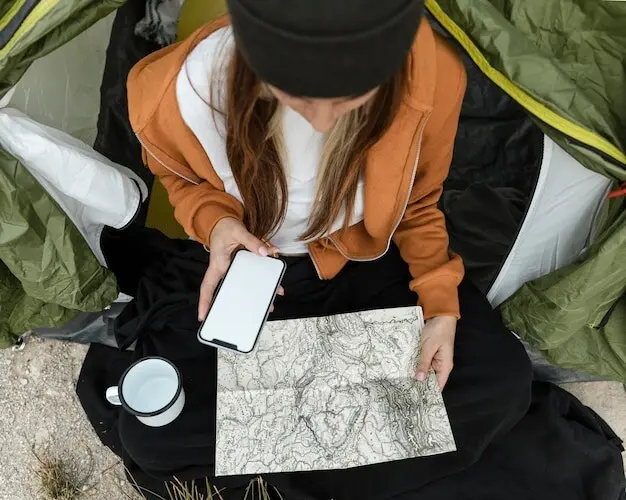
Seeing Like a Ridge
Rain Pages and Running Ink
Cold Fingers, Warm Attention
From Footprints to Story

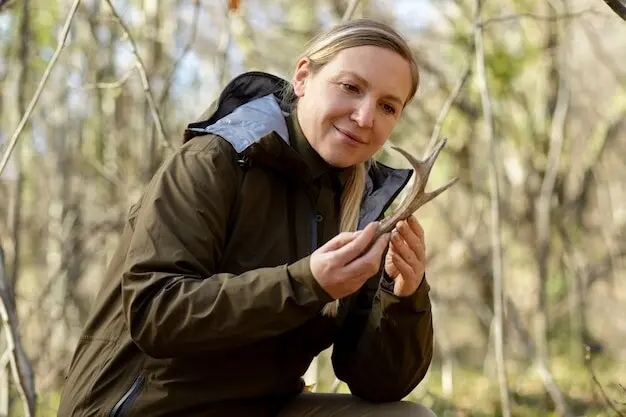


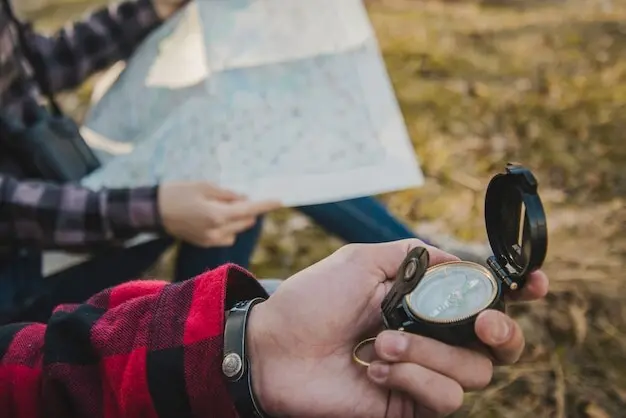
Evening Light, Steady Mind
Fireside Editing Without Perfection
Gently cross out, bracket, or star rather than tearing pages. Add clarifying arrows, dates, and a few margin explanations while the sensations remain close. If a drawing feels clumsy, write why it mattered anyway—air temperature, conversation snippet, or fear overcome. This compassionate editing preserves honesty and momentum, avoiding the trap of polishing away truth. By keeping traces of process visible, you create encouragement for tomorrow’s practice and a tangible reminder that imperfect, living pages are exactly the point.
Steeping Tea, Steeping Lines
Let tea time become mark time. As leaves bloom in the cup, add a translucent color wash or hatch shadows slowly, matching your pace to steam. Notice how warmth returns sensitivity to fingertips, and how soft repetition steadies breath. This brief ceremony repairs attention frayed by weather or effort, easing you into sleep with a last kind sentence to the day. In the morning, those quiet layers read like sunrise already begun on paper and within you.
Circles of Sharing, Rooms for Silence
If you’re with friends, consider a short, optional sharing circle: one page, one highlight, one learning. Offer applause that sounds like leaves, not thunder. Also keep boundaries: some pages stay private, and that privacy nourishes honesty. When alone, address a short note to future you about courage or rest. Whether shared or sheltered, reflection should feel kind, never performative. This balance protects the heart of the practice, inviting trust to return every time the notebook opens.
Carrying the Height into Daily Life

Keeping the Soul When You Digitize

Twelve-Minute Weekday Walkabouts